
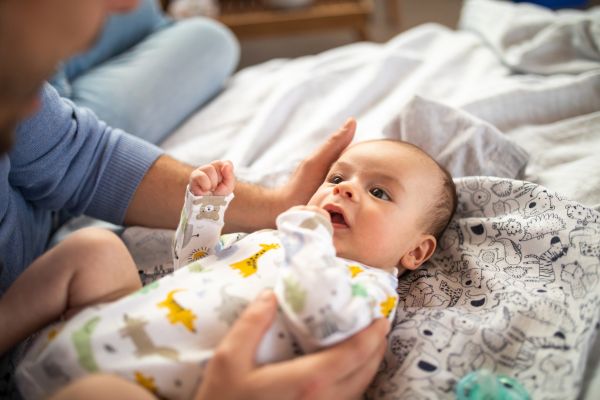
There is something beautifully simple about singing to a baby. No stage, no perfect voice, no polished performance. Just a parent, a soft tune, and a little face learning the sound of love. Babies do not care if you miss a note or forget the words halfway through. They are listening for warmth, rhythm, comfort, and familiarity. In many ways, the best songs to sing to your baby are not the fanciest ones. They are the songs that help your baby feel safe in your arms.
Singing has always been part of caring for children. Long before baby monitors, white noise machines, and bedtime playlists, parents hummed, whispered, and sang their babies through tired evenings and restless nights. The tradition still matters. A familiar song can become part of a bedtime routine, a calming tool during fussy moments, or a sweet way to bond during quiet afternoons.
Why Singing to Your Baby Matters
Babies respond to voices before they understand words. Your tone, pace, and emotion all matter more than perfect lyrics. When you sing, your baby hears the rise and fall of language in a gentle form. This helps them recognize patterns, sounds, and eventually words.
Singing can also support emotional connection. A soft lullaby at bedtime tells your baby that the day is slowing down. A playful song during diaper changes can turn a cranky moment into something lighter. Even humming while rocking your baby can create a feeling of closeness.
For parents, singing can be calming too. Caring for a baby is sweet, but it is also tiring. Some days feel long. Some nights feel endless. A familiar song gives both you and your baby something steady to return to.
Classic Lullabies That Never Lose Their Charm
Classic lullabies remain popular for a reason. They are usually slow, simple, and easy to repeat. Songs like “Twinkle, Twinkle, Little Star,” “Rock-a-Bye Baby,” “Hush, Little Baby,” and “Brahms’ Lullaby” have been sung in nurseries for generations.
These songs work well because their melodies are gentle and predictable. Babies often find repetition soothing. You do not need to sing every verse exactly as written. In fact, many parents naturally change the words, slow down the tune, or hum certain parts. That personal touch can make the song feel even more comforting.
Classic lullabies are especially helpful at bedtime. When used regularly, they can become a signal that sleep is coming. Over time, your baby may begin to relax as soon as the song begins, simply because the melody feels familiar.
Soft Folk Songs for Quiet Moments
Folk songs often make wonderful baby songs because they carry a natural storytelling quality. Many have simple melodies and a calm, earthy feeling. Songs such as “You Are My Sunshine,” “All Through the Night,” “Scarborough Fair,” and “Lavender’s Blue” can feel tender without being overly sleepy.
These songs are lovely during slow parts of the day. You might sing them while feeding your baby, folding tiny clothes nearby, or rocking in a chair as afternoon light moves across the room. Folk melodies often have a timeless feel, as though they belong to family memory even if you learned them only recently.
They also leave room for softness. You can sing them quietly, almost like a whisper. Babies often respond not only to the song itself but to the peaceful mood around it.
Playful Songs for Smiles and Movement
Not every baby song needs to be sleepy. Some of the best songs to sing to your baby are cheerful, silly, and full of movement. Playful songs help babies connect sound with expression, rhythm, and body awareness.
Songs like “The Wheels on the Bus,” “If You’re Happy and You Know It,” “Old MacDonald Had a Farm,” and “Itsy Bitsy Spider” are popular because they invite gestures. You can move your baby’s hands gently, make funny faces, clap softly, or add animal sounds. These little actions make the song interactive.
Playful singing is especially useful when your baby is alert and curious. During tummy time, bath time, or getting dressed, a familiar upbeat song can hold your baby’s attention. It can also help distract them from small frustrations, such as having sleeves pulled over their hands or waiting for a bottle to warm.
Songs That Make Bedtime Feel Safe
Bedtime can be emotional for babies and parents. The house quiets down, lights dim, and everyone is tired. A bedtime song does not need to be complicated. In fact, the simpler it is, the better it often works.
Choose one or two songs and use them consistently. “Twinkle, Twinkle, Little Star,” “Dream a Little Dream of Me,” “Somewhere Over the Rainbow,” or a gentle hymn or spiritual song from your family tradition can all become part of a peaceful routine. What matters most is the feeling you bring to it.
Try slowing the song down more than usual. Sing in a lower, softer voice. Let the final lines fade naturally. Babies often respond to the calmness in your breathing and the rhythm of your body as much as the melody itself.
A bedtime song can become a tiny ritual your child remembers years later, even if they cannot explain why it feels special.
Cultural and Family Songs with Personal Meaning
Some of the most meaningful songs to sing to your baby are the ones connected to your own background. They may be songs your parents sang to you, lullabies from your culture, religious songs, regional folk tunes, or simple melodies passed down through family.
These songs carry more than sound. They carry identity, memory, and belonging. A baby may not understand the language yet, but they can feel the emotion in your voice. Singing in your first language, your family language, or a language connected to your heritage can be deeply powerful.
You do not have to choose between traditional songs and modern ones. A baby’s world can include both. One night you might sing a classic lullaby, and the next you might sing something your grandmother used to hum. Over time, your baby grows up surrounded by layers of sound that tell them where they come from.
Modern Gentle Songs Parents Love
Many modern songs can work beautifully for babies, even if they were not written as lullabies. Soft ballads, acoustic songs, and gentle movie songs often become favorites in the nursery. Parents sometimes sing songs by artists they already love, simply slowing them down and softening the mood.
Songs such as “Can’t Help Falling in Love,” “What a Wonderful World,” “Here Comes the Sun,” and “Isn’t She Lovely” are often chosen because they feel warm and affectionate. The key is to focus on melody and mood rather than performance. Your baby does not need a full concert version. A quiet, simple version is enough.
Modern songs can also help parents feel more emotionally connected to the moment. When you sing a song you genuinely enjoy, your baby hears that feeling. Your voice becomes relaxed, natural, and present.
Making Up Your Own Baby Songs
You do not always need a known song. Some of the sweetest baby songs are made up on the spot. You can sing about what you are doing, what your baby is wearing, how tiny their toes are, or how sleepy the room feels.
These little homemade songs may sound silly, but they are wonderful for babies. They expose your child to language, rhythm, and affectionate attention. They also make everyday care feel more playful. A diaper song, a bath song, a feeding song, or a getting-ready song can become part of your baby’s world.
The words do not need to rhyme. The melody does not need to be original. You can borrow the tune of a familiar song and change the words to fit the moment. Babies love repetition, so do not be surprised if your made-up song becomes the one you end up singing every day.
How to Choose the Right Song for the Moment
Different moments call for different kinds of songs. When your baby is tired, choose something slow and repetitive. When they are alert, choose something playful and expressive. When they are upset, start with a calm hum before moving into words. Sometimes a baby needs less stimulation, not more.
Pay attention to your baby’s signals. Some babies love animated songs with gestures. Others prefer soft humming. Some calm down when you sing the same song over and over, while others enjoy variety. There is no single perfect list of songs because every baby has a different temperament.
Your own comfort matters too. Choose songs you enjoy singing. If a song feels awkward or too high for your voice, change the key, hum it, or pick another one. The best song is often the one you can sing naturally while holding your baby close.
Singing When You Feel Shy About Your Voice
Many parents feel self-conscious about singing. They may say, “I can’t sing,” or “My voice is terrible.” But babies are not critics. They do not compare you to a recording. Your voice is one of the first sounds they know, and that makes it special.
You can start small. Hum instead of singing full words. Sing quietly while walking around the room. Use simple songs with only a few lines. Over time, it may begin to feel easier. The goal is not musical perfection. The goal is connection.
Actually, a slightly imperfect voice can feel more intimate than a polished one. It sounds real. It sounds like home. And to a baby, that is often the most comforting sound in the world.
Building a Simple Singing Routine
A singing routine does not need to be strict. It can be as simple as one playful song in the morning, one soft song before naps, and one familiar lullaby at bedtime. Babies often feel secure when they recognize patterns. Music can help create those patterns gently.
You might sing during feeding, after bath time, or while rocking before sleep. As your baby grows, they may begin to smile, kick, clap, or babble along. Eventually, the songs become shared language. Even before real words arrive, music gives babies a way to participate.
The routine can change as your baby changes. New songs will enter. Old songs may stay. Some will become family classics without you even planning it.
Conclusion
The best songs to sing to your baby are the ones that bring comfort, closeness, and a sense of calm connection. They may be classic lullabies, playful nursery songs, old family melodies, soft modern favorites, or funny little tunes you invent while changing a diaper. What matters most is not the song’s fame or your singing ability. It is the love carried through your voice.
Singing gives your baby more than music. It gives them rhythm, language, reassurance, and emotional warmth. It turns ordinary moments into memories, even the sleepy, messy, imperfect ones. One day, your baby may not remember every song you sang. But they will have known the feeling of being held, heard, and loved. And that is the quiet magic of singing.