
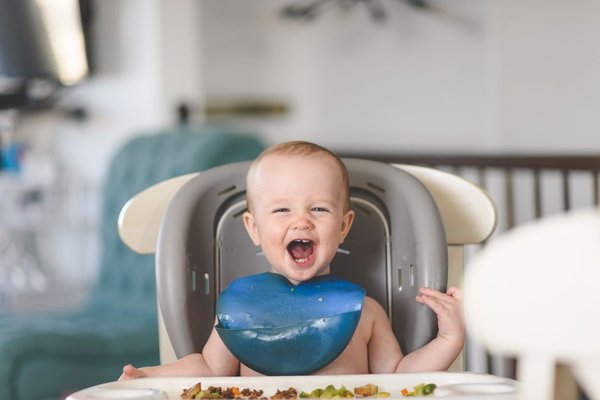
Watching your baby reach for food off your plate for the first time is a milestone most parents never forget. If you’re leaning towards baby led weaning rather than traditional purees, you’re in good company across the UK, but that first plate of finger foods can feel daunting. What’s safe? What’s a choking risk? How much should actually go in the mouth versus on the floor? This guide walks you through the essentials of baby led weaning first foods, so you can start solids with confidence rather than second-guessing every bite.
What Is Baby Led Weaning, Really?
Baby led weaning (often shortened to BLW) is an approach to introducing solids where your baby feeds themselves from the very start, skipping purees and spoon-feeding altogether. Instead of smooth, spoon-fed meals, your baby is offered soft, graspable pieces of food they can pick up, explore, and eat at their own pace. The idea is simple: babies who are developmentally ready to sit up and reach for food are also ready to feed themselves, learning to chew, manage textures, and self-regulate their appetite from day one.
This differs from traditional weaning, where a caregiver controls the spoon and the pace. With baby led weaning, your baby is in the driver’s seat, and your job shifts to offering safe, appropriately prepared food rather than aiming for a certain number of spoonfuls eaten.
When Is Your Baby Ready to Start Weaning?
The NHS recommends starting weaning at around 6 months, and this timing applies whether you’re following baby led weaning or a more traditional route. Age alone isn’t the only signal, though. Look for these developmental readiness cues before offering that first meal:
Your baby can sit upright with minimal support, ideally in a highchair. They’ve lost the tongue-thrust reflex, meaning they no longer automatically push food back out of their mouth. And they show real interest in food, reaching for it or watching intently as you eat. If your baby is hitting these markers around the 6 month point, they’re likely ready to begin.
Why 6 Months, Not Earlier?
Before 6 months, a baby’s digestive system and oral motor skills aren’t developed enough to safely manage solid textures. Starting baby led weaning too early increases choking risk and offers little nutritional benefit, since breast milk or formula still meets most of their needs at that stage. Patience here really does pay off.
The Best First Foods for Baby Led Weaning
The golden rule for first foods is texture over shape: everything should be soft enough to squash easily between your finger and thumb, and cut into pieces roughly the size of an adult finger so your baby can get a good grip. Here are some tried-and-tested starting options UK parents commonly reach for:
Steamed carrot batons, soft-cooked broccoli florets, ripe avocado slices, banana (cut in half lengthways so it’s easier to hold), soft-cooked sweet potato wedges, and well-cooked pasta shapes like fusilli. Toast fingers with a thin layer of smooth nut butter (not a whole spoonful, which can be a choking hazard on its own) are another popular first food, along with cooked pear or apple slices softened until they give easily under pressure.
As your baby gets more confident, you can start introducing proteins like shredded slow-cooked chicken, flaked salmon, or scrambled egg, along with more complex textures. The goal over the first few weeks of weaning is variety, letting your baby experience different tastes, colours, and textures rather than sticking to the same handful of foods on repeat.
Foods to Avoid in the Early Stages
Some foods are best kept off the plate entirely in the first year, or at least handled with extra care during the early weeks of weaning. Whole grapes, cherry tomatoes, and blueberries should always be halved or quartered lengthways, since round, firm foods are a common choking hazard. Avoid whole nuts, popcorn, hard raw vegetables, and anything with small bones. Honey shouldn’t be given before 12 months due to the risk of infant botulism, and it’s worth keeping added salt and sugar out of your baby’s meals altogether, since their kidneys aren’t yet equipped to process them.
BLW Safety Tips Every Parent Should Know
Safety is usually the biggest worry for parents new to baby led weaning, and it’s worth addressing head-on. The most important distinction to understand is the difference between gagging and choking. Gagging is loud, visible, and actually a protective reflex, your baby’s body pushing food forward in the mouth before it reaches the airway. It can look alarming, but it’s a normal and even necessary part of learning to eat solids. Choking, by contrast, is silent. A choking baby may go quiet, turn pale or blue, and struggle to cough or make noise.
To reduce risk during weaning, always have your baby sitting upright in a supportive highchair, never lying back or slouched. Stay within arm’s reach for every single meal, no exceptions, even if you’ve done this dozens of times before. Avoid the high-risk foods listed above, and resist the urge to rush your baby or encourage them to eat faster. It’s also genuinely worth taking a baby first aid course before you start weaning, or at the very least, familiarising yourself with infant choking first aid so you feel prepared rather than anxious.
Managing the Mess (Because There Will Be Mess)
One thing every baby led weaning parent quickly learns is that very little food actually makes it into the mouth in the beginning, and that’s completely normal. The early weeks are about exploration, not nutrition, since milk still provides the bulk of your baby’s calories at this stage. A splash mat under the highchair, a bib with sleeves, and lowered expectations for your kitchen floor will all make life easier.
Frequently Asked Questions
Can I combine baby led weaning with purees?
Yes, many UK parents take a mixed approach, offering finger foods alongside occasional spoon-fed purees. This is sometimes called “baby led weaning with a twist,” and there’s no evidence it’s worse for development than pure BLW, provided your baby still gets plenty of opportunity to self-feed.
How much food should my baby actually eat at first?
Very little, and that’s fine. In the first few weeks of weaning, most babies eat only tiny amounts, if any at all. Milk remains their primary source of nutrition until closer to 9 to 12 months, so don’t measure success by how much ends up eaten.
Is baby led weaning riskier for choking than purees?
Research to date hasn’t shown baby led weaning to carry a higher choking risk than traditional weaning, provided foods are prepared appropriately for size and softness and a caregiver is always present during meals. The key factor is following safe food preparation guidelines, not the method itself.
What should I do if my baby refuses first foods?
Food refusal is common and rarely a cause for concern. Keep offering a variety of foods without pressure, and remember that repeated exposure, sometimes ten or more attempts, is often what it takes for a new food to be accepted.
Starting Solids With Confidence
Baby led weaning is as much a learning process for parents as it is for babies. There will be mess, there will be gagging that makes your heart skip, and there will be meals where nothing gets eaten at all. All of that is part of the journey. Focus on offering safe, appropriately sized first foods, staying present at every meal, and letting your baby set the pace. With a bit of preparation and the right safety habits in place, weaning can be one of the more enjoyable milestones of that first year, mess and all.