
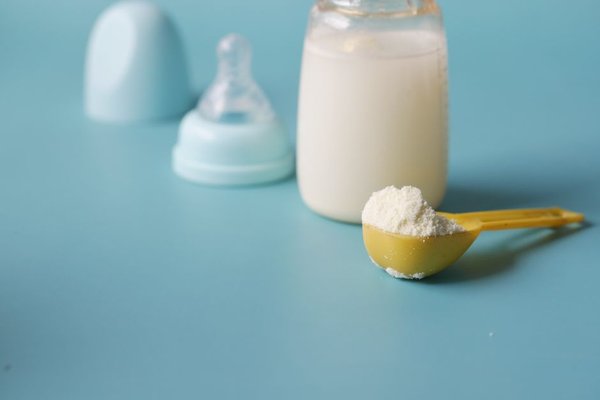
Searching for the best formula milk in the UK can feel surprisingly complicated. Supermarket shelves are filled with different stages, premium labels, organic options and ready-to-feed bottles. Yet for most healthy, full-term babies, the best choice is usually much simpler: a first infant formula that is suitable from birth, affordable, easy to find and practical to prepare consistently.
UK infant formula is tightly regulated, and products sold legally must meet compositional and nutritional requirements. A higher price therefore does not automatically mean better baby nutrition. The Competition and Markets Authority has also warned that parents may assume expensive formula is superior even though standard products must meet babies’ nutritional needs.
What Is the Best Formula Milk in the UK?
For a baby who is not breastfed, or who is combination fed, the usual starting point is first infant formula. It is suitable from birth and can remain your baby’s main milk throughout the first year. There is generally no need to move to follow-on formula at six months, because NHS guidance says switching offers no proven benefit.
The “best” formula is not necessarily the tin with the longest ingredient list or most expensive packaging. It is the correctly labelled product for your baby’s age and health needs, prepared safely and accepted well by your baby. Ongoing availability matters too, because repeatedly searching for a particular brand can make bottle feeding unnecessarily stressful.
How to Compare Formula Milk Brands
Start with the Correct Stage
Look for “first infant formula”, “first milk”, “Stage 1” or “from birth”. Major formula milk brands commonly stocked by UK pharmacies include Aptamil, Cow & Gate, SMA, Kendamil and HiPP. They offer standard first infant formula in powder, ready-to-feed liquid or both, although pack sizes and availability vary.
A healthy baby does not need follow-on or toddler milk simply because the front of the pack suggests a new stage. First infant formula can continue until 12 months alongside complementary foods.
Compare Cost and Convenience
Compare the price by weight or estimated number of feeds rather than looking only at the pack price. Powder is usually the most economical option for regular use. Ready-to-feed formula costs more but can be useful for travel, hospital bags, night feeds or occasions when safe preparation facilities are limited. NHS guidance notes that liquid formula is convenient but tends to be more expensive and must be used more quickly after opening.
Choose a brand stocked in more than one nearby shop if possible. Check seals, expiry dates and batch information before buying, and review current Food Standards Agency alerts whenever a recall is reported.
Look Beyond Premium Claims
Labels may highlight particular oils, milk sources, prebiotics or other added ingredients. These differences can matter to parents with specific preferences, but they do not prove that one standard brand is nutritionally superior. Choose according to suitability, cost, convenience and professional advice rather than assuming words such as “premium”, “advanced” or “organic” guarantee a better outcome.
Standard Formula Versus Specialist Formula
Standard first infant formula is designed for most healthy babies. Specialist products are intended for particular feeding or medical concerns and should not be chosen only because a baby is unsettled, windy or bringing up small amounts of milk.
Comfort and Anti-Reflux Formula
Comfort formula contains partially broken-down proteins and is marketed for digestive discomfort, but the NHS says there is no evidence that it prevents colic or constipation. It is not suitable for babies with cow’s milk allergy. Anti-reflux formula is thickened and should be used under medical supervision because its preparation instructions may differ.
Lactose-Free and Hypoallergenic Formula
Lactose intolerance is rare in babies, so lactose-free formula should be used with professional guidance. A suspected cow’s milk protein allergy needs proper assessment. Comfort milk is not a substitute for a prescribed hypoallergenic formula, because partially hydrolysed protein is unsuitable for treating cow’s milk allergy.
Seek medical advice if your baby has poor weight gain, persistent vomiting, blood in the stool, significant diarrhoea, breathing symptoms, swelling, a widespread rash or severe distress during feeds.
Can You Switch Baby Formula Brands?
Parents can generally switch between standard first infant formula brands suitable for the same age group. NHS maternity advice issued during a 2026 product recall confirmed that standard brands are nutritionally equivalent and that changing to another appropriate first infant formula should not harm a baby. Ask a healthcare professional before changing a specialist, allergy, anti-reflux or comfort product.
Follow the new pack’s instructions exactly and use only the scoop supplied with it. Never mix scoops, guess measurements or add extra powder to make a feed more filling.
Safe Preparation Matters More Than Brand
Powdered formula is not sterile, so careful preparation is essential. Wash your hands, sterilise bottles and teats, and make feeds one at a time. NHS guidance advises using freshly boiled tap water cooled for no more than 30 minutes so it remains at least 70°C. Put the measured water into the bottle first, then add the exact number of level scoops.
Never dilute formula, add extra powder, put cereal or sugar in the bottle, or heat a feed in a microwave. Cool the bottle safely, test it on your wrist and discard milk left after a feed. During bottle feeding, follow your baby’s hunger and fullness cues rather than forcing them to finish.
Frequently Asked Questions
Which Formula Milk Brand Is Closest to Breast Milk?
No formula can reproduce breast milk exactly. UK first infant formulas are regulated to provide suitable nutrition when a baby is formula fed, but claims that one brand is uniquely “closest” do not prove it is better for every baby.
Is Expensive Baby Formula Better?
Not necessarily. Higher prices may reflect branding, organic certification, packaging or additional ingredients rather than superior core nutrition.
Should I Change Formula If My Baby Has Wind or Colic?
Occasional wind and unsettled periods are common. Before switching, review feeding position, teat flow, paced feeding and burping. Ask a health visitor, midwife or GP if symptoms are persistent or severe.
Can I Use First Infant Formula After Six Months?
Yes. First infant formula can continue as your baby’s main milk until 12 months alongside a varied diet. Follow-on formula is not required simply because your baby has reached six months.
Choosing with Confidence
The best formula milk UK parents can buy is usually a standard first infant formula that suits the baby’s age, fits the family budget and is reliably available. Focus less on premium claims and more on correct labelling, safe preparation and your baby’s feeding and growth. For premature babies, diagnosed allergies, medically significant reflux or ongoing feeding difficulties, personalised advice from a healthcare professional should guide the decision.