
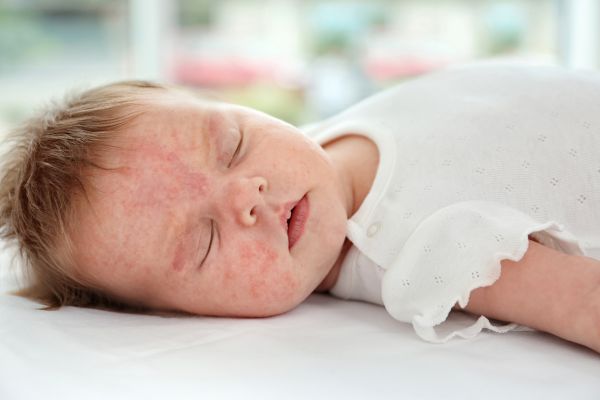
Baby skin has a way of making parents nervous. One day it looks soft and clear, and the next there may be tiny red bumps, dry patches, or an angry-looking rash that seems to appear out of nowhere. It is completely understandable to wonder what is normal and what needs attention. One of the most common questions parents ask is about baby rash vs eczema, especially because both can look similar at first glance.
The truth is, babies can get rashes for many simple reasons. Heat, drool, diapers, friction, new soaps, laundry detergent, and even weather changes can all irritate delicate skin. Eczema, on the other hand, is usually more persistent. It tends to come and go, often leaving the skin dry, itchy, and sensitive. Knowing the difference can help parents respond calmly, care for the skin properly, and decide when it is time to call a doctor.
Understanding Baby Rashes
A baby rash is a broad term. It does not describe one single condition, but rather any visible change on a baby’s skin. That change may appear as redness, bumps, patches, peeling, dryness, or irritation. Some rashes are mild and disappear quickly. Others may need a little more care.
Many baby rashes are caused by everyday things. A diaper rash, for example, often appears when moisture, friction, and stool or urine irritate the skin. Heat rash may show up in warm weather or when a baby is dressed too warmly. Drool rash can appear around the mouth, chin, cheeks, or neck folds, especially during teething. Contact irritation may happen after using a new wipe, lotion, soap, or detergent.
These rashes are usually linked to a clear trigger. They may also improve once the trigger is removed or the area is kept clean, dry, and protected. A baby rash may look dramatic, but in many cases, it is temporary and manageable.
What Baby Eczema Looks Like
Eczema, also called atopic dermatitis, is different from a simple short-term rash. It is a skin condition that causes the skin barrier to become more sensitive and easily irritated. In babies, eczema often appears as dry, rough, itchy patches. The skin may look red on lighter skin tones, while on darker skin tones it may appear brown, purple, grayish, or darker than the surrounding skin.
Baby eczema commonly appears on the cheeks, scalp, forehead, arms, legs, and sometimes the trunk. As babies grow, it may show up more often in skin folds, such as behind the knees or inside the elbows. The texture is often one of the biggest clues. Eczema usually feels dry, flaky, or rough rather than just red or bumpy.
Another important sign is itchiness. Babies cannot say, “This itches,” of course, but they may rub their face against bedding, scratch with their little nails, seem restless, or become uncomfortable during flare-ups. Some babies may have patches that ooze or crust if the skin becomes very irritated or infected.
Baby Rash vs Eczema: The Main Difference
When comparing baby rash vs eczema, the simplest difference is that many baby rashes are temporary reactions, while eczema is usually recurring and more skin-barrier related.
A common rash may appear suddenly after a clear trigger. For example, a baby may get a neck rash after drooling heavily, or a diaper rash after a long stretch in a wet diaper. Once the area is cleaned, dried, protected, and given time to heal, the rash often improves.
Eczema is more likely to return. It may flare during cold weather, after sweating, after contact with irritating fabrics, or when the skin becomes too dry. It may improve for a while and then come back again. Parents often notice a pattern: the same rough patches return in the same areas, especially when the baby’s skin is exposed to certain triggers.
The feel of the skin also matters. A simple rash may be smooth, bumpy, moist, or irritated. Eczema often feels dry, scaly, or thickened if it has been there for a while. It is not always easy to tell the difference in the beginning, but the pattern over time can say a lot.
Common Causes Behind Baby Rashes
Baby rashes often come from outside irritation. Their skin is thin and sensitive, so it reacts quickly. Diapers can trap moisture. Neck folds can collect milk, sweat, and drool. Warm rooms and heavy clothing can block sweat glands. Fragranced products can irritate the skin before parents even realize they are a problem.
A rash may also appear during or after a mild illness. Some viral rashes come with fever or cold-like symptoms. Others may show up as the baby is recovering. Because there are many possible causes, parents should pay attention not only to the rash itself, but also to how the baby is acting. A happy, feeding, alert baby with a mild rash is usually less concerning than a baby who is feverish, unusually sleepy, not feeding well, or clearly uncomfortable.
Common Triggers Behind Baby Eczema
Eczema often has a mix of causes. Genetics, immune sensitivity, dry skin, and environmental triggers may all play a role. If eczema, asthma, hay fever, or allergies run in the family, a baby may be more likely to develop eczema. Still, eczema can happen even without a strong family history.
Triggers vary from baby to baby. Dry air, cold weather, overheating, sweat, wool, rough fabrics, fragranced soaps, bubble baths, and strong laundry detergents can all make eczema worse. Some babies react after contact with saliva or certain foods touching the skin, especially around the mouth. That does not always mean a food allergy is present, but it is worth watching patterns carefully.
One thing parents sometimes misunderstand is that eczema is not caused by poor hygiene. In fact, too much washing with harsh products can make it worse. Baby skin needs gentle care, not aggressive scrubbing.
How Parents Can Care for Mild Baby Rashes
For a mild baby rash, the first step is often to think about what changed. Was there a new soap? A different diaper brand? A warmer-than-usual day? More drooling than normal? A new food smeared around the mouth? Small clues can help.
Keeping the skin clean and dry is helpful for many simple rashes. For diaper rash, frequent diaper changes and a protective barrier cream can reduce irritation. For drool rash, gently wiping the area and applying a thin protective layer may help. For heat rash, cooling the baby down and using breathable clothing can make a difference.
The goal is to be gentle. Baby skin does not need many products. Fragrance-free, baby-safe options are usually better than heavily scented creams or wipes. If a rash improves quickly after simple care, it was likely a temporary irritation rather than eczema.
How Baby Eczema Is Usually Managed
Eczema care focuses on protecting the skin barrier. Moisturizing is often the foundation. A thick, fragrance-free moisturizer can help seal in hydration and reduce dryness. Many parents find it helpful to apply moisturizer after a lukewarm bath, while the skin is still slightly damp.
Baths should usually be gentle and not too hot. Harsh soaps, scented washes, and bubble baths may worsen dryness. Soft cotton clothing is often easier on eczema-prone skin than rough or scratchy fabrics. Keeping the baby cool can also help, because overheating and sweat may trigger itching.
Sometimes eczema needs medical treatment, especially if the baby is very itchy, losing sleep, or developing open, crusted, or weepy patches. A healthcare professional may recommend a specific cream or ointment depending on the baby’s age and the severity of the flare. Parents should avoid using adult medicated creams on a baby unless a doctor has advised it.
When a Rash Needs Medical Attention
Most baby rashes are not emergencies, but some signs should not be ignored. Parents should contact a healthcare professional if a rash is spreading quickly, getting worse despite care, causing significant discomfort, or lasting longer than expected.
A rash with fever should be taken seriously. So should a rash that has pus, yellow crusting, blisters, swelling, warmth, bleeding, or open sores. If the baby seems very sleepy, has trouble breathing, is not feeding well, has fewer wet diapers, or has a rash that looks like bruising or does not fade when pressed, urgent medical help is needed.
With eczema, medical advice is also important if the skin looks infected or if itching is disturbing sleep. Babies can scratch eczema patches without meaning to, and broken skin can allow infection to develop.
Why It Is Easy to Confuse the Two
It is easy to confuse baby rash vs eczema because both can look red, patchy, irritated, and uncomfortable. Even doctors sometimes need to look at the pattern, location, age of the baby, family history, and symptoms before making a clear diagnosis.
Parents should not feel pressured to identify every rash perfectly at home. What matters more is noticing changes. Does the rash come and go? Is it dry and itchy? Does it improve when moisture and friction are reduced? Does it return in the same places? Is the baby otherwise well? These details are often more useful than trying to match the rash to pictures online.
A Calm Way to Think About Baby Skin
Baby skin changes often, and not every red spot is a cause for panic. At the same time, parents are right to pay attention. Skin can show early signs of irritation, allergy, infection, or eczema. A calm, practical approach usually works best.
Start with gentle care. Avoid strong fragrances. Keep the skin comfortable, clean, and moisturized. Watch how the rash behaves over a few days. If it fades, it was probably a temporary irritation. If it keeps returning, becomes very dry and itchy, or seems to bother the baby, eczema may be more likely.
Conclusion
Understanding the difference between baby rash and eczema can make those worrying skin moments a little less stressful. A baby rash is often a short-term reaction to moisture, heat, friction, drool, or a product that does not agree with the skin. Eczema is usually more ongoing, with dry, itchy patches that flare and settle over time.
Still, baby skin does not always follow neat rules. Some rashes are simple, some need treatment, and some deserve a doctor’s opinion. The best thing parents can do is observe gently, care for the skin simply, and seek help when something feels unusual or the baby seems unwell. In the end, the goal is not to diagnose every mark perfectly at home. It is to keep the baby comfortable, protected, and well cared for.