
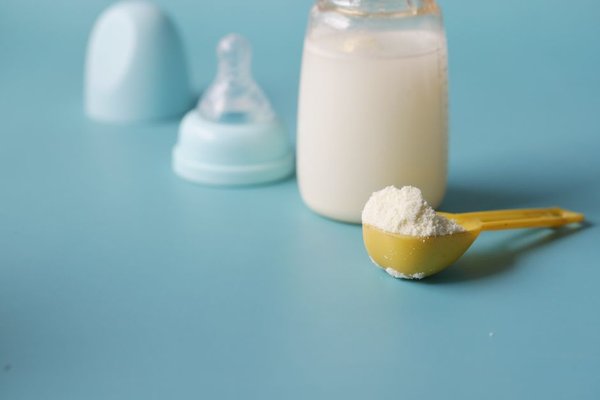
Making a bottle feels straightforward until you are doing it with a hungry baby in your arms. The safest approach is a routine: clean equipment, sufficiently hot water, precise measurements and prompt feeding. This UK guide explains how to make up formula safely, including what changes when you need to store a bottle or feed away from home.
Why the water must be hot
Powdered infant formula is not sterile, even in a sealed tin. It can occasionally contain harmful bacteria, including Cronobacter and Salmonella. NHS guidance therefore recommends mixing the powder with water at a temperature of at least 70°C. Water that has been boiled and then cooled completely does not provide the same protection.
That temperature applies during powdered formula preparation, not when the baby drinks. The finished feed must be cooled before it is offered. Ready-to-feed liquid formula is sterile until opened, but feeding equipment still requires sterilisation.
Clean and sterilise before every feed
Wash your hands thoroughly with soap and water. Clean and disinfect the work surface. Bottles, teats, caps and retaining rings need washing and sterilising before each use until your baby is at least 12 months old.
First wash equipment in hot, soapy water using a dedicated bottle brush, then rinse it. Sterilise it by following the instructions for your steam steriliser, cold-water sterilising solution or suitable boiling method. A dishwasher cleans feeding equipment but does not sterilise it.
Keep sterilised parts protected until needed. Avoid placing teats directly on the counter. Preparing several clean bottles in advance, without filling them with milk, can make night feeds simpler. For more detail, see our guide to cleaning and sterilising baby bottles.
How to make a formula bottle, step by step
1. Boil fresh drinking water
Empty the kettle and refill it with at least one litre of fresh water from the cold tap. Do not use previously boiled or artificially softened water. Bring it to the boil, then let it cool in the kettle for no more than 30 minutes. It must still be at least 70°C when mixed with the powder.
2. Measure the hot water first
Stand a sterilised bottle on the disinfected surface. Carefully pour in the exact volume of water stated on the formula packaging. Check the measurement at eye level. Always put water into the bottle before adding formula powder; reversing the order can change the intended concentration.
3. Add level scoops of powder
Use only the scoop supplied with that particular formula. Fill it loosely and level it with the pack’s leveller or a clean, dry knife. Never use heaped or packed scoops. Follow the manufacturer’s directions because water-to-powder ratios vary by product.
4. Fit the teat and mix
Add the powder to the hot water. Handle the teat by its edge, secure the retaining ring and fit the cap. Shake until the powder dissolves. Keep the teat covered and handle the bottle carefully: the contents are still hot.
5. Cool the milk before feeding
Hold the capped bottle under cold running water, moving it to cool the contents evenly. Keep tap water away from the teat and opening. Test a few drops on the inside of your wrist. The feed should feel warm or cool, never hot. Do not use a microwave because it can create scalding hot spots.
6. Feed promptly, then discard leftovers
Make one feed when needed whenever possible. If your baby leaves some formula in the bottle, throw it away after the feed. Saliva introduces bacteria, so a partly used bottle should never be saved, refrigerated or reheated for later.
Getting the measurements right
Formula hygiene includes the recipe itself. Extra powder can contribute to dehydration or constipation, while excessive water may mean your baby gets insufficient nourishment. Never add sugar, cereal or other ingredients.
Suppose your baby begins taking smaller feeds. Do not improvise with half-scoops unless the packaging specifically permits that measure. Instead, prepare a quantity using the manufacturer’s exact measurements and discard what is not drunk. If your baby uses specialist formula, such as certain anti-reflux products, ask a health professional about instructions that differ from the standard hot-water method.
How long can prepared formula be kept?
Fresh preparation is safest because bacteria multiply in made-up feeds. An untouched bottle kept at room temperature must be discarded after two hours. Once feeding has started, use the feed within one hour and throw away any remainder when the feed ends, even if that is sooner.
If preparing ahead is unavoidable, cool a freshly made bottle quickly and refrigerate it promptly. NHS guidance allows refrigerated, unused formula to be kept for up to 24 hours. Store it towards the back of the fridge, not in the door. This is a fallback rather than a reason to make daily batches. Our guide to how long prepared baby formula lasts explains these timing limits.
Preparing feeds when travelling
An unopened carton of ready-to-feed liquid formula can be convenient when you are out. Use sterilised feeding equipment and follow the instructions after opening.
For powdered formula, take measured powder in a clean, dry container, a sterilised empty bottle and freshly boiled water in a clean, sealed vacuum flask. The water must still be at least 70°C when mixed with powder. Cool the bottle before feeding; do not assume the flask stays hot enough all day.
If you must transport a made-up feed, cool and refrigerate it at home first. NHS guidance gives a maximum of four hours in a cool bag with an ice pack, or two hours without refrigeration or an ice pack. Our guide to formula feeding when travelling covers more planning ideas.
What about formula preparation machines?
A machine is not automatically safer or quicker than the kettle method. NHS advice requires water to be at least 70°C when it contacts the powder. If you use a machine, check the temperature with a suitable digital food thermometer and follow cleaning instructions. If the water is below 70°C, stop using that method for powdered feeds.
Frequently asked questions
Can I use cooled boiled water?
Not if it has cooled below 70°C before mixing. NHS advice is to use freshly boiled water left in the kettle for no longer than 30 minutes, then cool the prepared feed before serving.
Is bottled water safer than tap water?
Usually not. Bottled water may contain too much sodium or sulphate and is not necessarily sterile. If your tap water is unsafe, follow current public-health guidance about an alternative.
Do bottles need sterilising every time?
Yes. UK guidance recommends washing and sterilising feeding equipment before each use until at least 12 months of age, including when using ready-to-feed formula.
Can I warm up leftover formula?
No. Discard milk left after a feed. If an unused, correctly chilled bottle needs warming, use warm water and test its temperature. Never microwave it.
A safe routine
The safest way to prepare baby formula is to sterilise equipment, measure accurately, mix powder with water at least 70°C, cool the bottle and feed without delay. For specialist products or unusual circumstances, check with your midwife, health visitor or GP instead of guessing. A consistent process makes every feed easier to manage.