
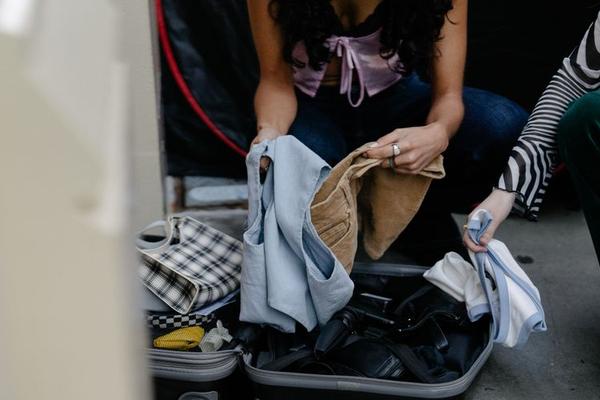
Preparing your hospital bag is one of those jobs that can make birth suddenly feel very real. The aim is not to pack for every possibility, but to have the things you are most likely to need for labour, the first hours after birth and your baby’s journey home. A useful hospital bag checklist UK parents can rely on should reflect how NHS maternity units work: space can be limited, facilities vary, and you may be home quickly or stay longer than expected.
The NHS recommends having your bag ready at least three weeks before your due date. That gives you time to check local maternity guidance, wash baby clothes and replace anything you have forgotten without a last-minute rush.
Start with the essentials
Put your maternity notes, birth plan or birth preferences somewhere easy to reach. If your NHS trust uses digital maternity records, make sure you know how to access them and keep your phone charged. Pack any medicines you normally take, plus glasses or contact lenses if needed. Keep your phone, charger, payment card and a little cash together in one pouch.
Check your own hospital or birth centre’s website before you finish packing. Some units provide certain items while others ask you to bring them. This is especially useful if you plan to formula feed, because requirements for ready-to-feed formula, sterile teats and feeding equipment can differ between maternity units.
What to pack for labour
Your labour bag checklist should focus on comfort, hydration and quick access. Choose an old, loose T-shirt or nightdress that gives you room to move and will not matter if it gets stained. Add a lightweight dressing gown, socks and slip-on slippers or flip-flops.
A refillable water bottle is useful, and one with a straw can be easier to drink from in different labour positions. Pack a few simple snacks for you and your birth partner unless your care team has advised otherwise. Lip balm, hair ties, a flannel, water spray or small fan can make a warm labour room more comfortable.
If you plan to use a TENS machine, pack it with fresh batteries. Headphones, downloaded music or relaxation tracks can help too. An extra-long charging cable or power bank is handy when the nearest socket is not beside the bed.
Keep labour items in the top half of the bag rather than underneath post-birth clothes. If contractions are strong when you arrive, your partner can quickly find your notes, lip balm, charger and water without unpacking everything.
What to pack for after the birth
When deciding what to pack hospital bag space for yourself, prioritise comfort. Take loose nightwear, ideally front-opening if you plan to breastfeed, plus two or three changes of soft clothing. Pack several pairs of comfortable underwear; high-waisted cotton styles may be more comfortable after a caesarean birth because they sit above the wound area.
You will also need highly absorbent maternity pads, nursing bras if required, breast pads and toiletries. A toothbrush, toothpaste, deodorant, hairbrush, shampoo, body wash and towel cover most needs. An eye mask can help on a brightly lit ward, while a spare bag keeps laundry separate.
Useful related reading can include a birth plan guide and a signs of labour guide, both natural internal linking opportunities around this section.
Baby hospital bag essentials
Pack several bodysuits or vests and sleepsuits, a hat, muslin squares, newborn nappies, cotton wool or suitable baby wipes, and a blanket or shawl. In cold weather, add an outdoor layer for the journey home, but remove bulky outerwear before fastening your baby into a car seat.
Three or four basic changes are usually more practical than several coordinated outfits. A small packing cube for baby clothes can make changes easier because you can grab a vest, sleepsuit and nappy together.
Choosing a going home outfit for a newborn
A simple going home outfit newborn babies can wear comfortably is usually a vest and sleepsuit, with a hat and weather-appropriate layer for outside. Choose soft clothing that opens easily for nappy changes. If you are travelling by car, have an appropriate rear-facing infant car seat ready before discharge.
A newborn essentials checklist is another useful internal linking opportunity for parents preparing the home as well as the hospital bag.
What your birth partner should pack
Your partner or support person should have their own basics: a change of clothes, toiletries, snacks, drinks, phone, charger and any regular medicines. If a birth pool may be used, swimwear can be worth packing. Check parking arrangements in advance because payment methods vary between hospitals.
Keeping partner items in a separate backpack makes the main maternity bag easier to manage and means they can take their own things if they leave the ward temporarily.
Should you pack one bag or two?
Dividing things into a smaller labour bag and a second post-birth bag can work well. The first can hold maternity notes, labour clothes, toiletries, water, snacks and chargers. The second can hold postnatal clothes, baby items, extra nappies and the going-home outfit. If your partner can return home easily, some backup items can stay there unless needed.
Avoid taking valuables and resist overpacking. Maternity wards can have limited storage around beds, so one or two organised bags are usually easier than several large cases.
FAQ
When should I pack my hospital bag in the UK?
The NHS suggests having it ready at least three weeks before your due date. Some maternity units recommend packing by around 35 to 37 weeks, so check your local hospital’s guidance too.
How many baby outfits should I take to hospital?
Three or four vests and sleepsuits is a practical starting point for many families, with extras if you expect a longer stay. Add a hat, nappies, muslins and an outfit for going home.
Do UK hospitals provide nappies and maternity pads?
Do not assume they will. NHS hospital guidance commonly advises parents to bring their own nappies and maternity pads. Emergency supplies may be available, but policies vary.
Do I need to take formula to hospital?
If you plan to formula feed, check your maternity unit before labour. Some hospitals ask families to bring ready-to-feed first infant formula with sterile single-use teats because facilities for preparing powdered formula may not be available.
Pack for usefulness, not perfection
The best hospital bag is one you can actually find things in when labour begins. Cover the essentials first, separate labour items from post-birth supplies, and check your local maternity unit for specific requirements. Once your notes, comfortable clothes, toiletries, baby basics, feeding items and travel-home essentials are ready, you can leave the bag by the door and focus on the final weeks of pregnancy.