
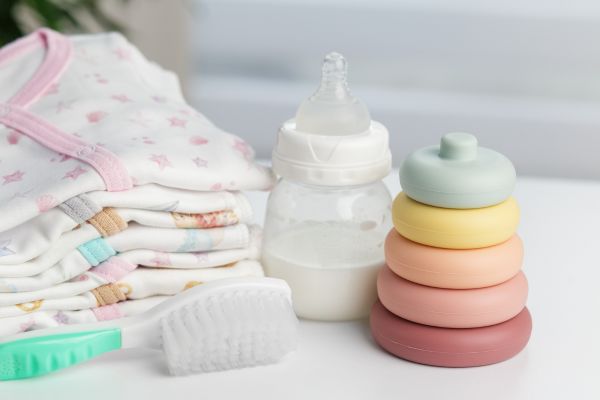
Feeding a baby sounds straightforward before parenthood begins. Then suddenly, there are bottles with different nipple flows, tiny spoons made from unfamiliar materials, silicone bibs with pockets, breast pumps, sterilizers, snack containers, and an endless number of products claiming to make life easier. For many new parents, the baby aisle can feel less like a shopping trip and more like entering a world with its own language.
The truth is, babies do not need every feeding gadget available. But having the right tools can genuinely make feeding smoother, cleaner, and less stressful — especially during those early months when sleep is limited and routines still feel unpredictable.
Conversations around baby feeding tools essentials often focus on convenience, but there is also something emotional tied to feeding. Whether breastfeeding, bottle feeding, formula feeding, or introducing solids, feeding becomes one of the earliest daily rituals between parents and children. The tools involved quietly shape those experiences, sometimes more than people expect.
A simple bottle that fits comfortably in tired hands or a spoon that makes self-feeding less frustrating can make ordinary moments feel calmer.
Bottles Become More Personal Than Expected
Baby bottles seem simple at first glance, yet many parents quickly discover that babies can have surprisingly strong preferences. Some latch easily to certain bottle shapes while rejecting others entirely.
Bottle design has evolved significantly over the years. Modern options often focus on reducing air intake to help minimize gas, discomfort, or feeding interruptions. Wide-neck bottles are popular because they are easier to clean, while softer nipples attempt to mimic a more natural feeding feel.
Still, no single bottle works perfectly for every baby.
This is why many parents avoid buying large matching sets immediately. A few different styles often help identify what feels most comfortable before committing to one system.
Cleaning also becomes a bigger factor than expected. Feeding equipment accumulates quickly throughout the day, especially during the newborn stage. Bottles with too many small parts may look innovative but can become frustrating during late-night washing sessions.
Practicality tends to matter more once exhaustion enters the picture.
Breast Pumps and Feeding Flexibility
For breastfeeding parents, breast pumps often become one of the more important baby feeding tools essentials. Some parents pump occasionally, while others rely on pumping daily because of work schedules, milk supply management, or personal comfort.
The experience varies widely from person to person.
Manual pumps remain useful for portability and quick relief, especially during travel or shorter outings. Electric pumps, however, are usually preferred for regular use because they reduce physical effort and save time.
Portable wearable pumps have grown increasingly popular in recent years because they allow greater mobility during pumping sessions. For many parents, this flexibility makes feeding routines feel less restrictive.
Storage systems matter too. Milk storage bags, labeling methods, and organized refrigeration become part of daily life surprisingly quickly during the first year.
Even though feeding tools are practical objects, they often connect deeply to emotional experiences around feeding choices, routines, and parental confidence. Some days feeding feels natural and calm. Other days feel messy, exhausting, or uncertain. Having reliable tools can quietly reduce some of that pressure.
Sterilization and Hygiene Become Daily Priorities
Before having children, most people rarely think about sterilization outside medical settings. Then suddenly, kitchen counters become filled with drying racks, bottle brushes, sterilizers, and tiny feeding parts that seem to multiply overnight.
During the newborn stage, hygiene becomes especially important because babies’ immune systems are still developing. Bottles, nipples, pacifiers, and pump parts require frequent cleaning and sanitizing.
Some parents prefer traditional boiling methods, while others use electric steam sterilizers or microwave sterilizing systems for convenience. There is no single perfect approach, but consistency matters.
Bottle drying racks also become unexpectedly useful. Without organized drying space, kitchens can quickly feel chaotic from constantly washed feeding equipment.
What surprises many parents is how repetitive feeding cleanup becomes. Feeding itself may last twenty minutes, while preparing, washing, sterilizing, and organizing supplies continues throughout the day.
This is why small conveniences eventually feel significant.
Bibs and Mess Management During Solid Foods
The transition to solid foods changes feeding completely. Suddenly, meals involve mashed bananas on walls, yogurt in hair, and rice somehow appearing in impossible places.
Bibs quickly become less of an accessory and more of a survival tool.
Soft cloth bibs work well during early drooling stages, but feeding bibs designed for solids usually need stronger structure and easier cleanup. Silicone bibs with built-in catch pockets have become especially common because they help contain dropped food before it reaches floors or clothing.
Even then, mess remains unavoidable.
Self-feeding plays an important role in development, but it also creates temporary chaos. Parents often discover that successful feeding environments depend less on perfection and more on manageable cleanup routines.
Washable splash mats under high chairs, easy-clean bowls, and wipeable surfaces slowly become part of daily life during this stage.
Interestingly, many feeding tools are really designed to help parents tolerate the mess rather than eliminate it completely.
Baby Spoons and Utensils Encourage Independence
Tiny feeding spoons may not seem particularly important until a baby starts grabbing for them independently. Then the design suddenly matters a lot.
Soft-tipped spoons help protect sensitive gums during early feeding stages, especially when babies are still adjusting to textures and coordination. Short handles also make it easier for parents to guide feeding naturally.
As babies grow, utensils become part of motor skill development. Easy-grip handles and lightweight designs encourage self-feeding even before coordination fully develops.
The process is usually messy, uneven, and occasionally hilarious.
Babies often miss their mouths entirely while learning. Food gets squeezed, dropped, and thrown. But these awkward attempts are part of how feeding gradually becomes more independent.
Parents sometimes underestimate how emotionally rewarding these small milestones feel. The first successful spoonful without assistance may seem minor from the outside, yet it often becomes one of those unexpectedly memorable parenting moments.
High Chairs Shape Daily Feeding Routines
High chairs are not technically feeding tools in the same way bottles or spoons are, but they become central to feeding routines once solids begin.
A good high chair creates stability, comfort, and easier interaction during meals. Adjustable seating positions, secure straps, removable trays, and easy-clean surfaces tend to matter more than complicated features.
What parents usually care about most after a few weeks is simplicity.
Food spills constantly during the learning stage, so difficult-to-clean fabrics or complicated tray designs quickly become frustrating. Compact folding designs are especially helpful for smaller living spaces where feeding areas overlap with kitchens or dining rooms.
The high chair also becomes a social space. Babies start observing family meals, reacting to conversations, and building early food habits through shared experiences.
Feeding gradually shifts from purely nutritional routines into broader family interaction.
Snack Containers and Travel Feeding Tools
Leaving the house with a baby often requires more preparation than expected. Feeding schedules do not pause during errands, travel, or family visits, which is why portable feeding tools become important surprisingly quickly.
Spill-resistant snack containers help toddlers practice independent eating without creating complete disaster zones in cars or strollers. Portable formula dispensers, insulated bottle carriers, and compact food pouches also simplify feeding outside the home.
Travel feeding introduces its own challenges. Babies rarely care whether parents are in airports, restaurants, or traffic when hunger appears.
This is where convenience matters most. Easy-access feeding tools reduce stress during already unpredictable situations.
Parents often develop personal systems over time. Some become highly organized with labeled containers and backup supplies. Others learn through trial and error after forgetting something important once or twice.
Either way, feeding outside the home eventually becomes part of normal daily rhythm.
The Emotional Side of Feeding Tools
What often gets overlooked in discussions about baby feeding tools essentials is the emotional side of feeding itself. Feeding is rarely just about nutrition.
It becomes tied to bonding, routines, sleep schedules, family dynamics, and parental confidence. Some feeding experiences feel smooth and intuitive. Others involve stress, uncertainty, or changing expectations.
The right tools cannot solve every challenge, but they can reduce unnecessary frustration.
A bottle that reduces feeding interruptions, a comfortable pump, or a bib that makes cleanup easier may seem small individually. Yet during exhausting early parenting stages, small improvements matter a great deal.
Parents often remember feeding routines not only through milestones but through ordinary repeated moments — midnight bottles, messy breakfasts, sleepy cuddles after feeding sessions, or tiny hands learning to hold spoons independently.
The tools simply support those experiences quietly in the background.
Conclusion
The world of baby feeding tools essentials can initially feel overwhelming because there are so many products competing for attention. But most parents eventually discover that feeding success rarely depends on owning everything. It depends more on finding practical, reliable tools that fit their routines, lifestyle, and child’s needs.
Bottles, pumps, bibs, spoons, sterilizers, high chairs, and portable feeding accessories all serve different purposes during different stages of development. Some become daily necessities, while others end up barely used at all.
What matters most is functionality, comfort, and simplicity. Feeding a baby already involves enough unpredictability without adding unnecessary complications.
In the end, the best feeding tools are usually the ones that quietly make daily life easier, allowing parents to focus less on logistics and more on the moments happening around the table, high chair, or midnight bottle.